Best AI Model Generator for Clothing Brands: Scaling Your Visual Content
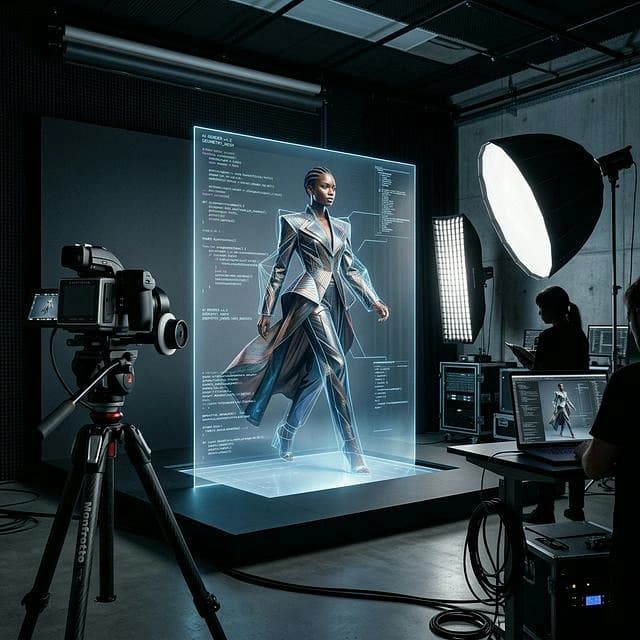
Fashion brands have always depended on visual storytelling.
When customers browse an online store, the images they see determine whether they stay on the page or leave within seconds. A well-presented product image communicates style, quality, and brand identity instantly.
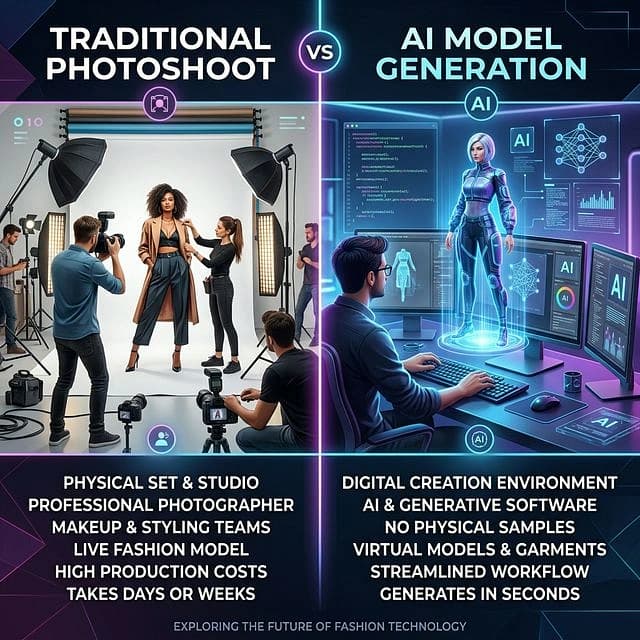
Traditionally, creating these visuals required expensive fashion photoshoots.
Brands had to hire professional models, photographers, stylists, and production teams. Even a simple catalog photoshoot could cost thousands of dollars and take weeks to plan.
For large fashion companies, this process is manageable. But for smaller clothing brands and ecommerce startups, these costs can slow down product launches.
Artificial intelligence is beginning to change that workflow.
AI model generators allow clothing brands to create realistic fashion models digitally. Instead of organizing a physical photoshoot, brands can generate catalog visuals using AI-generated models.
These tools allow brands to launch collections faster, maintain consistent visuals, and reduce production costs.
In this guide, we’ll explore the best AI model generators for clothing brands, explain how the technology works, and examine real-world examples of how fashion companies are experimenting with AI-generated models.
What Is an AI Model Generator?
An AI model generator is a software tool that creates realistic digital fashion models using artificial intelligence.
Fashion brands can use these digital models to display clothing products without hiring real models or organizing photoshoots.
Most AI model generators combine several technologies.
Artificial intelligence analyzes garment images and identifies clothing structures such as sleeves, collars, textures, and shapes.
Computer vision systems recognize fabric patterns and design details.
Generative AI then produces images of realistic digital models wearing the clothing.
The final output often resembles professional catalog photography.
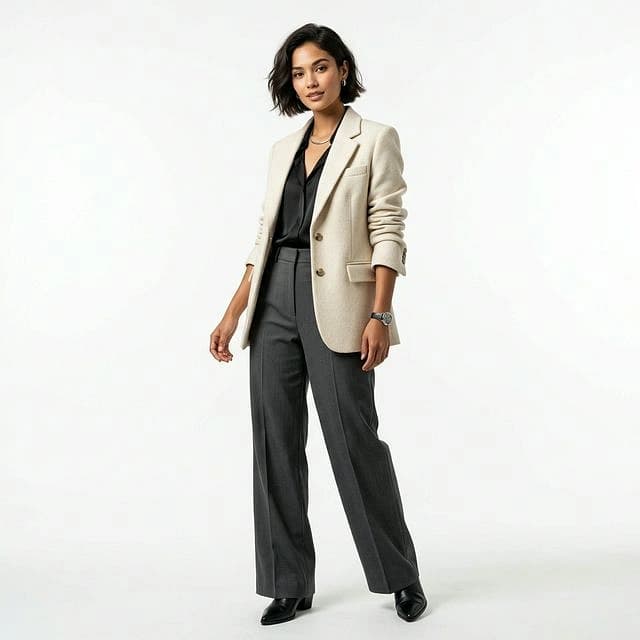
Some platforms allow brands to customize model features including body type, skin tone, hairstyle, pose, and background.
This flexibility allows clothing brands to create diverse visual presentations without organizing multiple photoshoots.
Why Clothing Brands Are Using AI Model Generators
AI-generated fashion models are gaining attention across the industry because they solve several practical challenges.
Clothing brands are rapidly adopting AI-driven modeling for several key advantages:
- Dramatic Cost Reduction: Eliminates the need for professional models, photographers, and studio space for every product catalog.
- Unmatched Speed: Produce catalog visuals in minutes rather than weeks of planning and scheduling.
- Consistent Presentation: Maintain uniform lighting, styling, and quality across thousands of product images.
- Agile Marketing: Easily test different visuals, poses, and backgrounds to optimize campaign performance.
Industry analysts believe generative AI could significantly transform fashion marketing workflows.
A report from McKinsey explains how generative AI is influencing fashion design, marketing, and retail innovation.
Best AI Model Generator for Clothing Brands
Below are several AI platforms that clothing brands are exploring to generate fashion models.
Lalaland.ai
Lalaland.ai focuses on generating diverse AI fashion models for clothing brands.
Brands upload garment images and the platform generates digital models representing different body types and skin tones.
This allows brands to create inclusive product imagery without organizing multiple photoshoots.
A widely discussed example occurred when Levi’s experimented with AI-generated fashion models using Lalaland.ai technology.
The initiative was reported by The Verge.
Levi’s explored the technology to expand model diversity in its product catalog.
This experiment highlighted how AI-generated models could support inclusive representation in fashion imagery.
ZMO.ai
ZMO.ai is another AI platform that helps clothing brands generate model images for product catalogs.
The platform allows brands to upload garment images and generate professional-looking fashion photos using AI models.
Brands can create marketing images for ecommerce stores, advertisements, and social media campaigns.
Some ecommerce brands use AI-generated product visuals to quickly test different marketing concepts before launching campaigns.
Deep Agency
Deep Agency focuses on AI-generated fashion photography.
Instead of organizing a physical photoshoot, brands can generate photorealistic model images digitally.
The platform allows users to create virtual fashion photoshoots using AI models.
AI-driven photoshoot tools like this are attracting attention from fashion brands looking to accelerate visual production.
Botika AI
Botika AI is designed specifically for ecommerce clothing brands.
Retailers upload garment images and the platform generates realistic model photos suitable for online stores.
This allows brands to create consistent catalog visuals across large product collections.
Botika focuses on helping brands scale visual production for ecommerce catalogs.
Real-World Example: AI Models in Fashion Retail
AI-generated models are beginning to appear in real fashion retail workflows.
One widely reported example involved Levi’s experimenting with AI-generated models created by Lalaland.ai.
The initiative aimed to increase representation by generating models with diverse appearances.
The experiment sparked industry discussion about how AI could help brands produce more inclusive fashion imagery.
Another Example: AI Fashion Visualization in Ecommerce
Technology companies are also experimenting with AI-powered fashion visualization.
Google has introduced AI-powered virtual try-on technology that allows users to see clothing displayed on models with different body shapes.
Instead of relying on a single catalog model, shoppers can view garments on a range of models.
This development highlights how AI-powered visualization tools are becoming part of the ecommerce ecosystem.
How Clothing Brands Choose the Right AI Model Generator
Not every AI model generator works the same way.
Clothing brands should evaluate several factors before selecting a platform.
One important factor is realism. The generated model images should look natural and comparable to professional photography.
Another factor is customization. Brands may want to control model appearance, poses, and backgrounds.
Integration is also important. Some tools integrate directly with ecommerce platforms and product catalogs.
Scalability is another consideration. Brands with large product collections need tools capable of generating images efficiently.
Testing different platforms often helps brands determine which tool fits their workflow best.
Realistic Scenario: AI Models in an Ecommerce Catalog
Imagine a clothing brand launching a new collection of hoodies.
Traditionally, the brand would organize a photoshoot involving models, photographers, and stylists.
Instead, the brand uploads its product images into an AI model generator.
Within minutes, the platform produces multiple catalog images featuring digital models wearing the hoodies.
The brand selects the best images and publishes them on its ecommerce store.
This process allows the brand to launch the collection quickly while maintaining consistent visuals across the product catalog.
The Future of AI Model Generators in Fashion
AI-generated fashion models are still evolving rapidly.
Future tools may allow brands to generate entire photoshoot environments digitally, including lighting setups and backgrounds.
Some systems may simulate fabric movement and garment draping more realistically.
As generative AI continues improving, AI model generators could become a standard tool for fashion ecommerce.
Brands that adopt these technologies early may gain a strong advantage in digital marketing.
Key Takeaways
AI model generators are transforming how clothing brands create product visuals.
Instead of relying entirely on traditional photoshoots, brands can generate realistic fashion models digitally.
This technology reduces production costs and allows brands to create catalog images quickly.
It also enables consistent branding across large product collections.
For clothing brands looking to scale visual production efficiently, AI model generators offer a powerful solution.
The most practical approach is to experiment with different platforms and evaluate how they fit into your existing workflow.
Brands that adopt AI-powered visual production today may help define the future of fashion ecommerce.
AI-powered model generation is rapidly becoming a powerful tool for fashion ecommerce.
Clothing brands that explore these technologies early may gain a strong advantage in producing scalable, high-quality visual content.