How AI Model Generation Can Replace Traditional Fashion Photoshoots: A Practical Guide for Fashion Brands
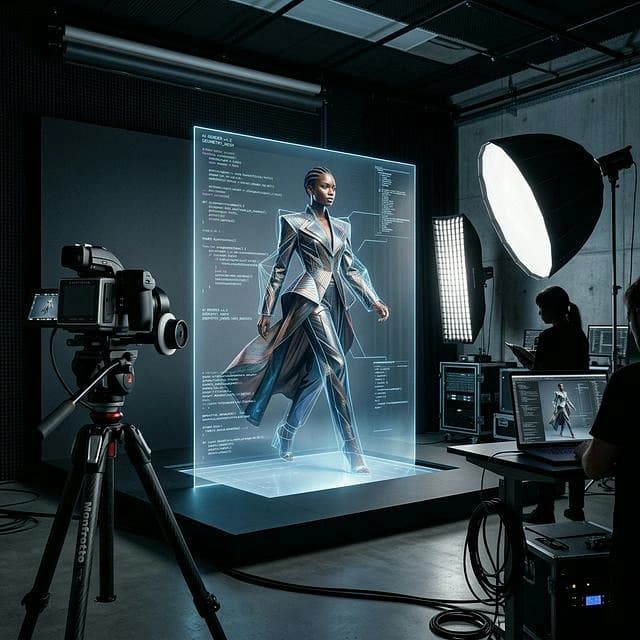
Fashion has always been driven by visuals. Whether it’s a luxury campaign, an e-commerce product page, or a seasonal catalog, images are the primary way clothing brands communicate style, fit, and identity.
For decades, these visuals were produced through traditional photoshoots. Brands organized studio sessions, hired photographers, worked with models, and coordinated styling teams to produce the final images customers see online.
While this process can create stunning results, it is also expensive, time-consuming, and difficult to scale.
Artificial intelligence is now introducing a new approach: AI model generation.
With AI-powered tools, fashion brands can generate realistic digital models that wear clothing virtually. These models can pose, appear in different environments, and showcase garments without the need for physical photoshoots.
For garment sellers and online retailers, this shift represents more than a technological innovation. It changes how fashion content can be produced, scaled, and distributed in the digital era.
Why Traditional Fashion Photoshoots Are Becoming Difficult to Scale
- High Logistics Complexity: Coordinating models, stylists, photographers, and studios is a massive operational hurdle.
- Prohibitive Costs: Photography fees, model day-rates, and travel expenses add up quickly for every new collection.
- Slow Time-to-Market: Post-production editing takes weeks, delaying product launches on e-commerce sites.
- Limited Scalability: Physical photoshoots cannot easily keep up with the fast-paced demands of hundreds of seasonal SKUs.
What Is AI Model Generation in Fashion?
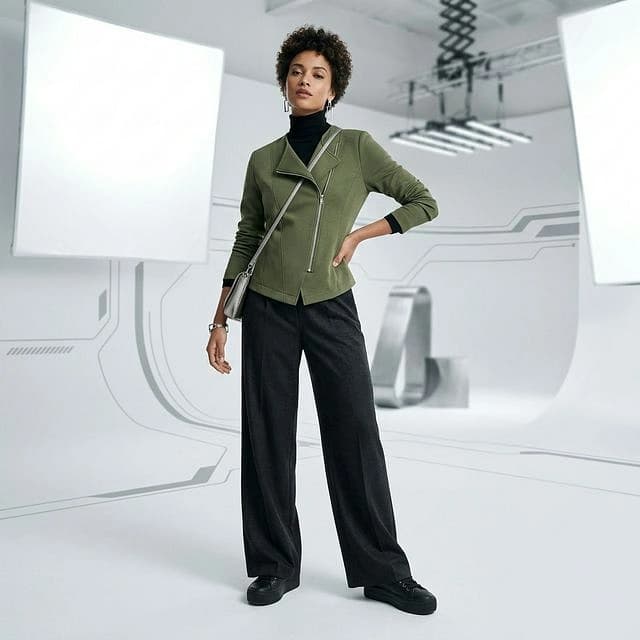
AI model generation is a technology that creates realistic digital human models using artificial intelligence and machine learning. These models can wear clothing digitally, pose naturally, and appear in different settings.
How AI Model Generation Works
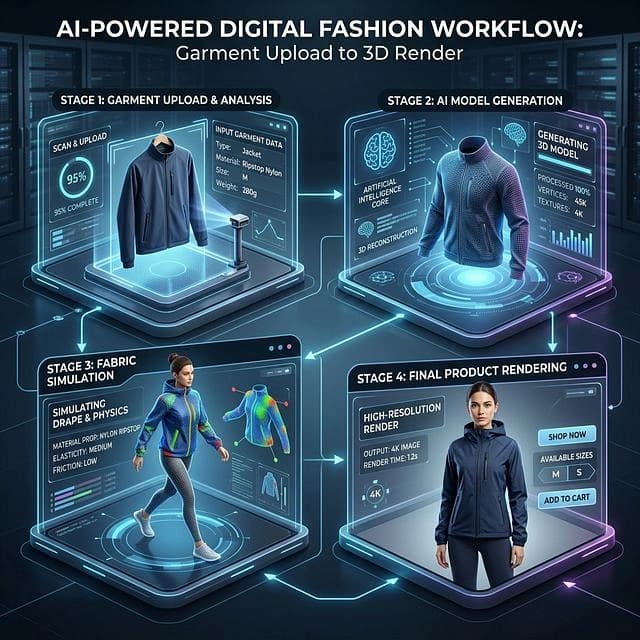
- Garment Upload: The system analyzes the physical structure, color, and fabric properties of the item.
- Model Generation: AI creates a digital human based on the brand's specific demographic and aesthetic needs.
- Fabric Simulation: The clothing is digitally 'fitted' onto the avatar with realistic draping and physics.
- Final Rendering: Professional studio lighting and shadows are added for a photorealistic result.
Real Example: Lalaland.ai and AI-Generated Fashion Models
One company actively building AI-generated fashion model technology is Lalaland.ai.
The platform allows clothing brands to generate digital fashion models that represent different body shapes and ethnicities. Brands can upload garment images and create realistic product visuals without organizing photoshoots.
Lalaland.ai focuses on helping retailers create inclusive product imagery while reducing the cost of traditional photography.
This approach allows fashion companies to create multiple model variations for the same product, something that would be extremely expensive to achieve through traditional photoshoots.
Real Example: Vue.ai and AI-Powered Retail Imagery
Another technology platform working in AI-driven fashion imagery is Vue.ai.
Vue.ai provides AI-powered tools that help retailers automate visual merchandising and product imagery creation. Their platform can generate model images and enhance product presentations for online stores.
By using AI-generated visuals, fashion retailers can produce consistent imagery across thousands of product listings without relying on large-scale photoshoot operations.
Real Example: Digital Human Technology in Fashion
AI-generated digital humans are also being developed by companies such as Soul Machines.
Their technology focuses on creating realistic digital characters that can interact with users and represent brands online.
While their primary use case is digital assistants, their research demonstrates how artificial intelligence can create highly realistic human representations.
This type of technology shows how AI-generated humans may become increasingly common in digital marketing and online retail experiences.
Benefits of AI Model Generation for Clothing Brands
- Drastic Cost Savings: Eliminates model fees, photographer day-rates, and studio rental costs.
- Rapid Speed: Generates marketing-ready visuals in minutes rather than weeks.
- Infinite Inclusivity: Easily create model variations representing different ethnicities and body shapes.
- Massive Scalability: Manage catalogs with thousands of SKUs without increasing production complexity.
Challenges Fashion Brands Should Consider
Although AI model generation offers significant advantages, the technology still faces challenges.
Garment simulation accuracy remains an important factor. AI must correctly represent how fabrics behave when worn.
Brands must also ensure that AI-generated visuals accurately reflect the clothing product to avoid misleading customers.
For these reasons, many retailers currently combine AI-generated imagery with traditional photography.
This hybrid approach allows brands to benefit from efficiency while maintaining visual authenticity.
The Future of Fashion Photography
Artificial intelligence is gradually reshaping creative industries, and fashion photography is no exception.
As AI image generation continues to evolve, digital models will become more realistic and customizable.
Fashion brands may eventually generate entire campaigns, product catalogs, and marketing visuals using AI-powered systems.
For clothing retailers operating in competitive e-commerce markets, the ability to produce visual content quickly and efficiently can become a major advantage.
AI model generation offers a glimpse into a future where fashion imagery is created not only in studios but also through intelligent digital tools.
Key Takeaways for Fashion Brands
- AI is a Tool for Scale: Leverage technology to handle repetitive, high-volume photography needs.
- Focus on Creativity: Free up budgets for high-concept campaigns by automating basic cataloging.
- Hybrid Workflows: Combine AI efficiency with traditional photography for the best of both worlds.
- Stay Competitive: Adopt faster visual workflows to match the pace of modern fashion e-commerce.