How AI Recoloring Helps Fashion Sellers Showcase Multiple Color Variants (Complete SEO Guide)
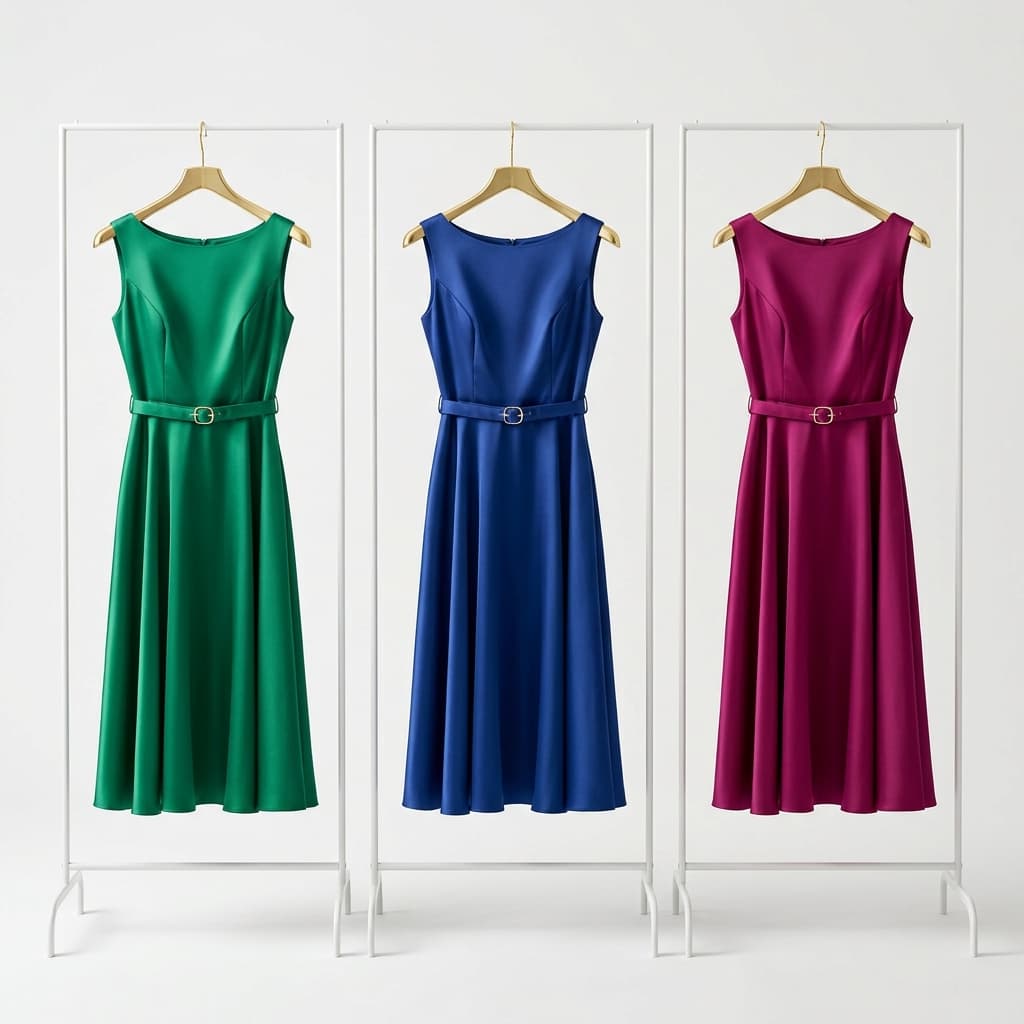
In fashion retail, variety is everything. Customers don’t just want a product—they want options. Different colors, shades, and combinations often influence purchasing decisions more than the design itself.
But here’s the challenge most fashion sellers face: Creating and showcasing multiple color variants is expensive, time-consuming, and operationally complex. Each color typically requires a separate photoshoot. That means more models, more studio time, more editing, and longer delays before products go live.
Now imagine doing this across hundreds of products. This is where AI recoloring is changing the game. AI recoloring allows fashion sellers to generate multiple color variants from a single image while maintaining realism, fabric texture, and lighting consistency.
Why Fashion Sellers Struggle With Multiple Color Variants
Fashion sellers operate in a highly dynamic environment where speed and presentation directly affect sales. However, traditional workflows come with several limitations.
Shooting every color variant requires significant investment in photography, styling, and post-production. For small and mid-sized sellers, this can quickly become financially unsustainable. Managing consistency across images is another challenge. Even with professional setups, slight variations in lighting, angles, and styling can make products look inconsistent across color variants.
What Is AI Recoloring in Fashion
AI recoloring is a technology that uses artificial intelligence to modify the color of garments in images while preserving their original texture, shadows, folds, and details.
- Shoot a single high-quality product image
- Apply AI-based recoloring
- Generate multiple realistic variations instantly
How AI Recoloring Works (Simple Explanation)
AI recoloring is powered by computer vision and machine learning. At a basic level, the system performs three key steps:
- Segmentation: It identifies the garment within the image and separates it from the background.
- Analysis: It analyzes the fabric’s texture, lighting, and shadows to understand how color interacts with the material.
- Transformation: It applies new colors while maintaining depth and realism.
Real-World Example: Adobe’s AI Image Editing
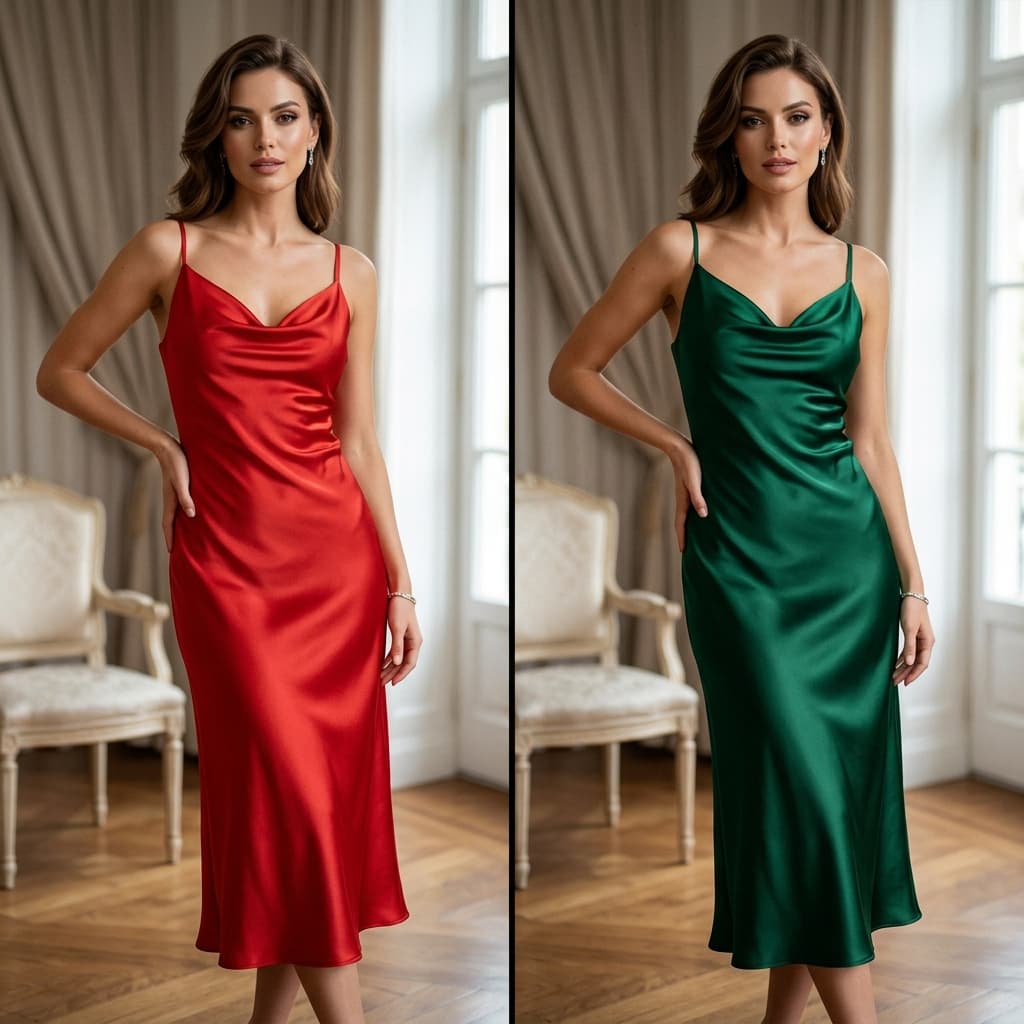
AI-powered editing is already being used at scale by creative platforms. Adobe’s generative AI tools allow users to modify images while preserving texture, lighting, and structure—key elements required for fashion recoloring.
Real-World Example: Canva AI for Visual Editing
Canva has introduced AI-powered tools that allow users to modify images, including color adjustments, without advanced technical skills.
Key Benefits of AI Recoloring for Fashion Sellers
- Reduced Photoshoot Costs: Create multiple variants from one image.
- Faster Time-to-Market: Launch products without waiting for multiple shoots.
- Consistent Product Presentation: Uniform lighting and angles across all variants.
- Scalability: Easily manage thousands of products.
- Improved Customer Experience: Clear viewing of all color options.
Business Impact of AI Recoloring
AI recoloring does more than simplify workflows—it changes how fashion businesses operate. It allows brands to launch products faster, reduce operational costs, experiment with color trends, and improve catalog depth.